What the report looks like
One door at a time, in plain English, with a photo of each fault.
Get a priceI have read reports that say "door requires attention" and nothing else.
Attention from who, and for what? You cannot price that. You cannot give it to a carpenter. You cannot show it to a fire officer and expect them to be impressed.
Ours is built so that somebody who has never seen the building can pick it up and know what to do.
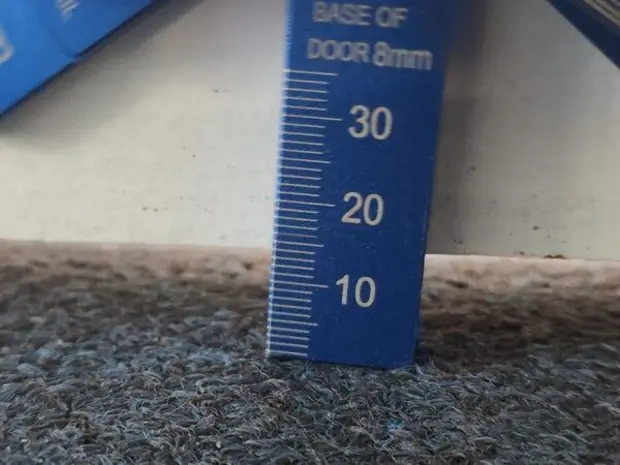
What is on each door's page
Where the door is, in words that make sense on site. Second floor landing, left of the lift, say.
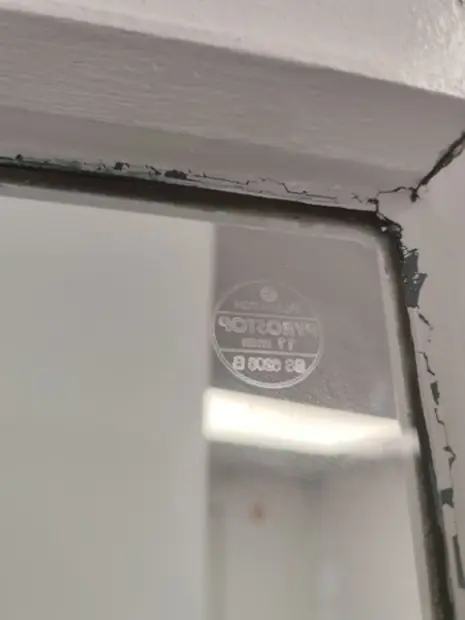
What type of door it appears to be, and what evidence there is. If a label was found we show it. If none was found we say that.
Gap readings from each side, top and bottom.
The condition of hinges, closer, seals, glazing and locks.
A photo of the whole door, then close photos of anything wrong.
The result, and a plain sentence on what would put it right.
How faults are ranked
Some things need doing this week. A door that has stopped closing onto a single escape stair is one of those, and we will ring you the same day and not leave it for the report.
Others can go in the next round of maintenance. A worn seal on a low-risk store cupboard is a real fault, but nobody needs to panic.
Sorting them means you can spend the money in the right order.
Who reads it
Your fire risk assessor will want the doors separated from the rest of the building. The assessment has a section for them, and our report feeds into it.
Your managing agent will want to bill leaseholders properly, so each door is listed on its own.
An insurer will want to see the thing was done by someone who looked closely. Photos do that.
A carpenter will want to know what to bring. Faults are written so that a tradesman can price them without guessing.
After the report
You can do nothing, you can use your own people, or you can ask us. Door repairs in and around London are done by our own crew. A price comes from the same list of faults, so nobody has to survey the doors twice.
Once the repairs are done the doors can be checked again. A report with faults listed and no follow up does not show much, so keep the sign-off with it.
What it will not tell you
Nothing about the wider building. A door report does not replace a fire risk assessment, and it does not say the building's walls or ceilings are sound.
It cannot prove a door with no certification is a fire door. Nobody can by looking at it, and anyone telling you otherwise is guessing.
Keeping it
Keep it where the next person can find it. A lot of the trouble we come across started with a managing agent changing hands and the file going missing.
Questions we get asked
How soon do I get it?
Usually within a few working days of the visit, once the invoice is settled. If something is dangerous you will hear on the day.
Can you put our logo on it?
We can talk about that if you are a managing agent and need it for your own reporting.
Send us the postcode and a rough door count. You will have a price the same day.
Get a price