Checks for blocks of flats
Three-monthly walks of the communal doors, yearly flat door checks and a record you can show.
Get a priceOver 11 metres high, the rules give you a timetable.
Most people treat that as roughly four storeys, though the measurement is what counts. Above that height, under the Fire Safety (England) Regulations 2022, the responsible person has to do two things.
Check the fire doors in the communal areas at least every three months.
Use best endeavours to check every flat entrance door at least every twelve months.
There is also a duty to tell residents about fire doors. They should be told to keep them shut, not to tamper with the closers, and to report faults. That goes out to everyone in the building at least once a year.
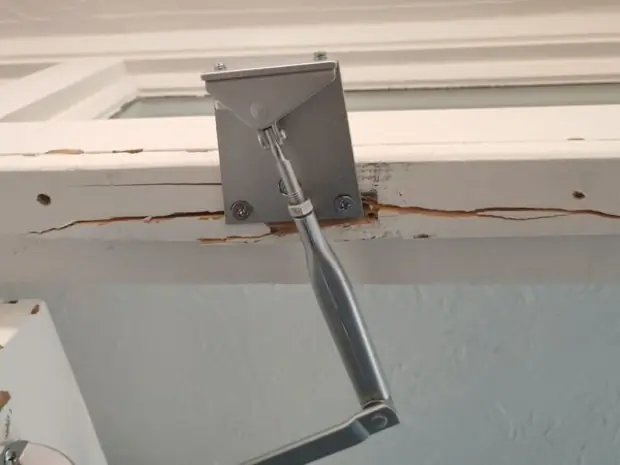
"Best endeavours" in practice
Some residents will not answer. Some will have moved out and left a sublet tenant who has never heard of you.
The record is what protects you here. It has to show the doors you checked, and it has to show the steps you took to get into the ones you could not. A sentence saying "no access" does not tell anyone much.
We log each attempt by date and flat. Letter sent, knock on the door, second visit, who we spoke to. Next year you start with a list of the difficult ones and work from there.
The quarterly round
The guidance is clear that these are simple checks and they do not need a specialist. Your caretaker can do them, if somebody shows them what to look for.
Plenty of agents prefer to pass it over anyway, so we walk the block.
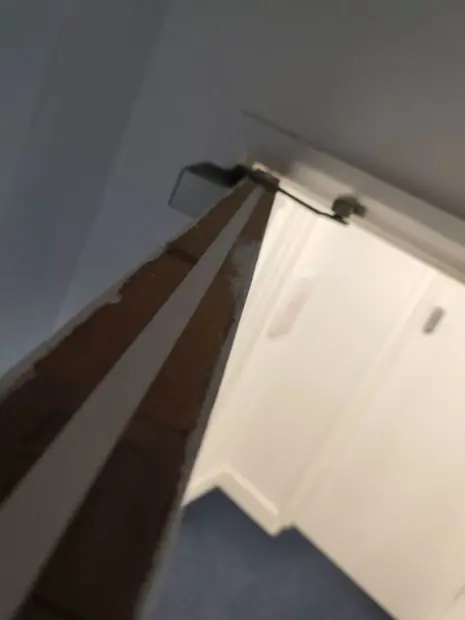
Each communal door is opened fully and released. We then open it to about 15 degrees and release it again, because a closer that manages from fully open can still fail from a small angle. It has to pull into the frame and overcome the latch.
Then the seals, the glazing and the hinges, and whatever someone has left leaning against it this time.
A full inspection is a different thing
The three-monthly round looks for what has changed. It does not tell you what the door is.
A full inspection is a gauge on every gap, a search for the certification, the frame and fixings and a photo record. If that has never been done, do it first. Otherwise you are ticking off a door nobody has ever properly identified.
Higher risk buildings
Buildings of 18 metres or seven storeys with at least two homes come under the Building Safety Act 2022 as well, with an accountable person and a registered building. If that is yours, the door records will need to sit alongside your other safety information. Tell us at the start and we will set the report out with that in mind.
Kingston's blocks
You will find everything here. Post-war council blocks, ex-local-authority flats bought under right to buy, and the newer towers built close to the town centre.
Newer does not mean finished. On any recent building we look for the small stuff trades leave behind, such as drilled frames and seals left out after a door was rehung.
Work we can point to
A survey of 129 fire doors at a hotel in Reading. That was a long, busy building where the doors never stop being used.
Questions we get asked
Does this apply to my four storey block?
Measure it. If you are close to 11 metres, get it checked properly.
Can you take over checks another firm was doing?
Yes. Send us the old records if you have them, and we will pick up from there.
Send us the postcode and a rough door count. You will have a price the same day.
Get a price